At the beginning of October, RWTH Aachen University starts the joint project “Development of an Alternative Method for Vegetation Control on Track Systems” on behalf of the Federal Ministry of Transport and Digital Infrastructure (BMVI) and the German Center for Railway Research at the Federal Railway Authority (DZSF).
Track systems, especially ballast beds and sidetracks, can be affected in their stability by the vegetation of various wild plants. However, rail transport places high demands on the facilities’ functionality and safety, which is directly linked to sustainable vegetation management. Chemical vegetation control is currently the fastest, most practicable, and most cost-effective measure, especially for the ballast bed area.
In the event of an expiring active ingredient approval or application restrictions for the herbicides used (e.g., glyphosate), the rail sector would currently have no technical or biological alternatives for the track area suitable for widespread application. The development of chemical-free alternative processes is, therefore, urgently needed.
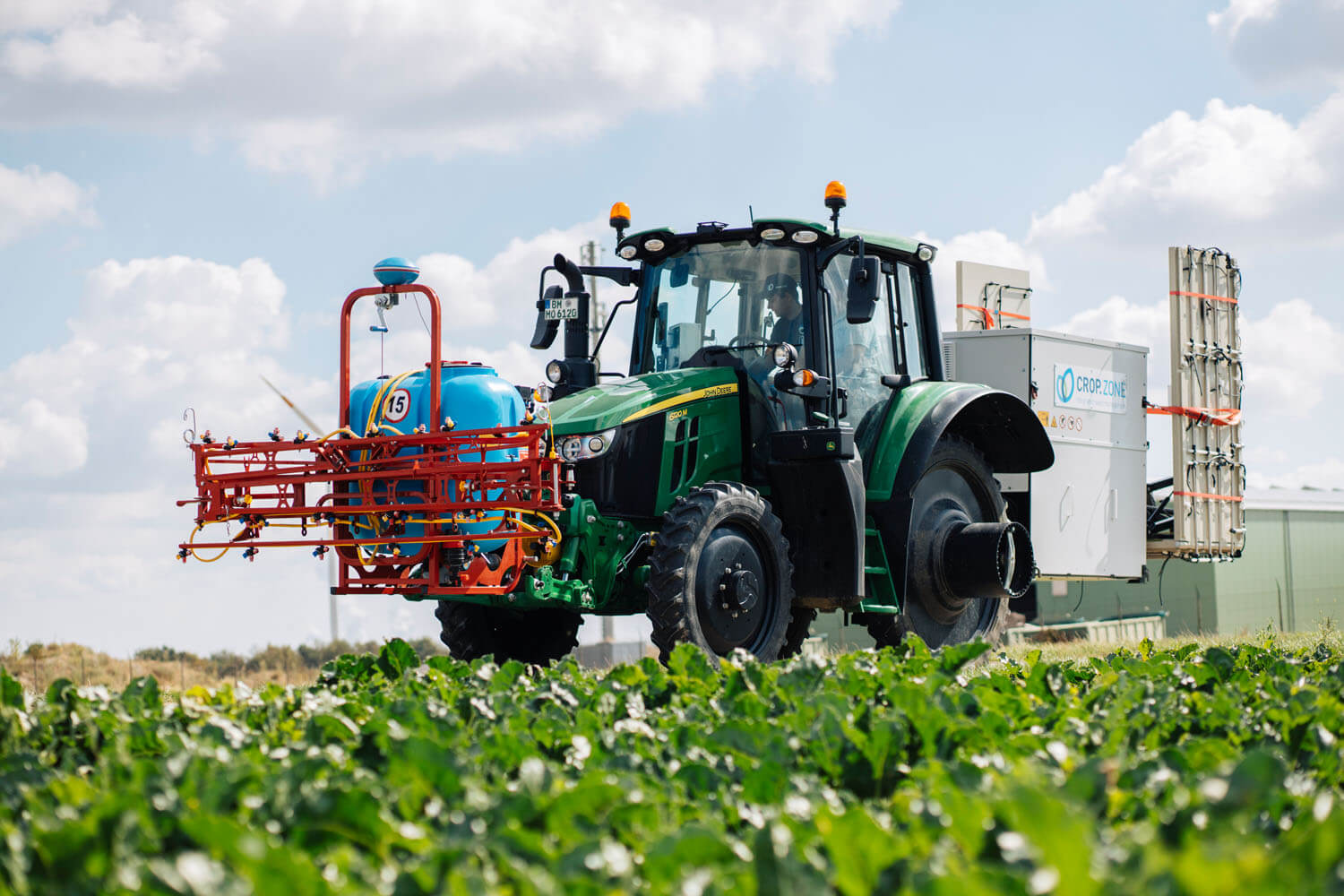
The DZSF controls the research project initiated and funded by the BMVI to develop a chemical-free method for vegetation control. This method’s constructive implementation is to be tested by an operational prototype in field studies and under real conditions on the track.
The aim is to establish a sustainable, chemical-free alternative method to counteract obstructions in rail traffic and ensure the track system’s functionality and safety in the future.
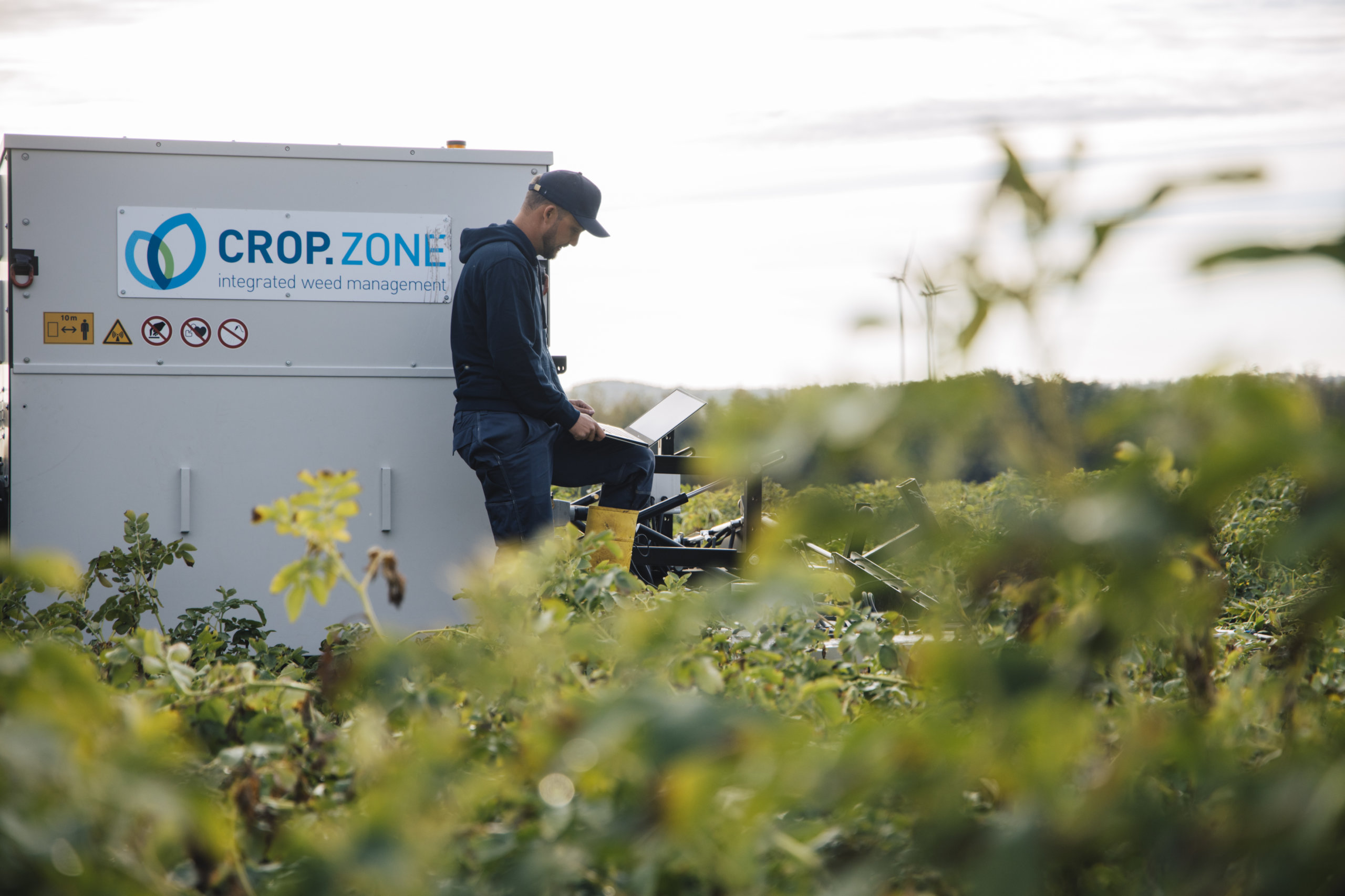
A consortium around the RWTH Aachen University with the partners crop.zone (Aachen) and the Laser Processing and Consulting Center (LBBZ, Geilenkirchen) were commissioned to carry out this three-year research project, starting with the investigations.